
Commentary
What does a stronger Europe actually require? Demos Helsinki’s comments on the State of the Union.
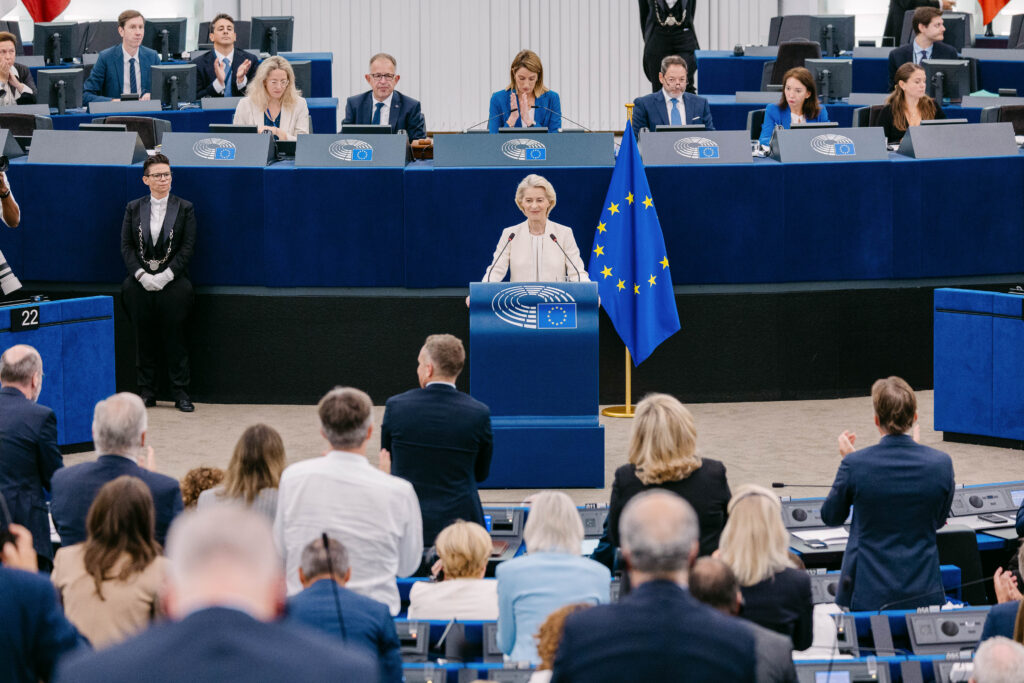
Drawing on three EU-funded research projects, we examine the tensions behind von der Leyen’s State of the Union address. Technological sovereignty risks deepening the dependencies it aims to reduce; climate resilience requires funding architecture that lets mitigation and adaptation reinforce each other; and Europe’s strength cannot be measured by economic indicators alone. A stronger Europe, we argue, depends less on ambition than on governance capable of delivering it.
Read MoreThe next frontier for circularity is governance

For cross-cutting policy issues, like the transition to circularity, Demos Helsinki has developed a model that works: beating uncertainty through action, empowering relevant stakeholders with autonomy in problem solving, building a shared coordination structure, and adapting through learning what works. The model has been proven to move the circularity agenda forward, despite its complexity and fluctuating political significance.
Read MoreGoverning with cities: Europe’s overlooked governance infrastructure
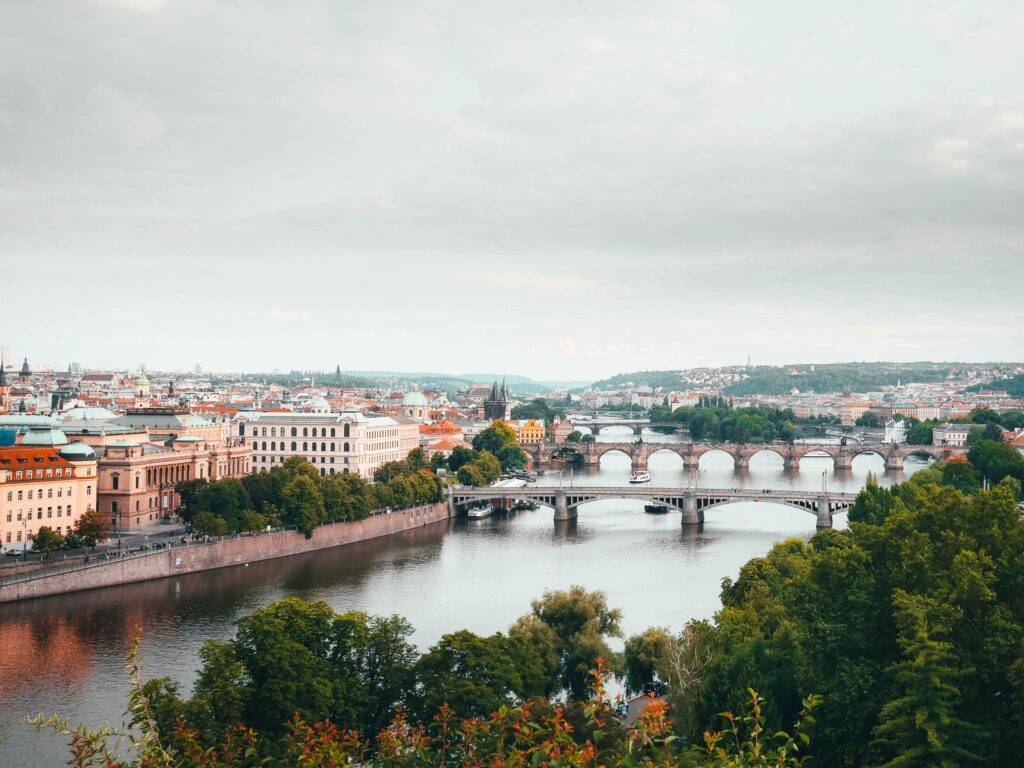
The Cities Mission functioned as a natural experiment that revealed an overlooked property of European governance: cities do not merely implement policy more effectively; they generate governing capacity and governance knowledge that Europe should intentionally incorporate into policy design through a revised multilevel governance architecture.
Read MoreThe next MFF should institutionalise what mission governance has proven

The challenge for the next MFF is not to invent a new governance model, but to organise European decision-making around the governing capacity that already exists.
Read MoreGovernments can steer with wellbeing at the core (but nobody said it was easy)

Governments keep promising change and then hitting the same walls with the old machinery. Reorienting governance around human wellbeing is both urgent and possible, and the work continues even when the political climate turns.
Read MoreEconomic policy is no longer enough

Economic policy cannot be a replacement for good governance. In this part of human history, it is understanding what is at stake — profoundly human wishes for a dignified and meaningful life — that will have to shape all policy, including economic policy.
Read MoreFinland, what is our promise for future generations?
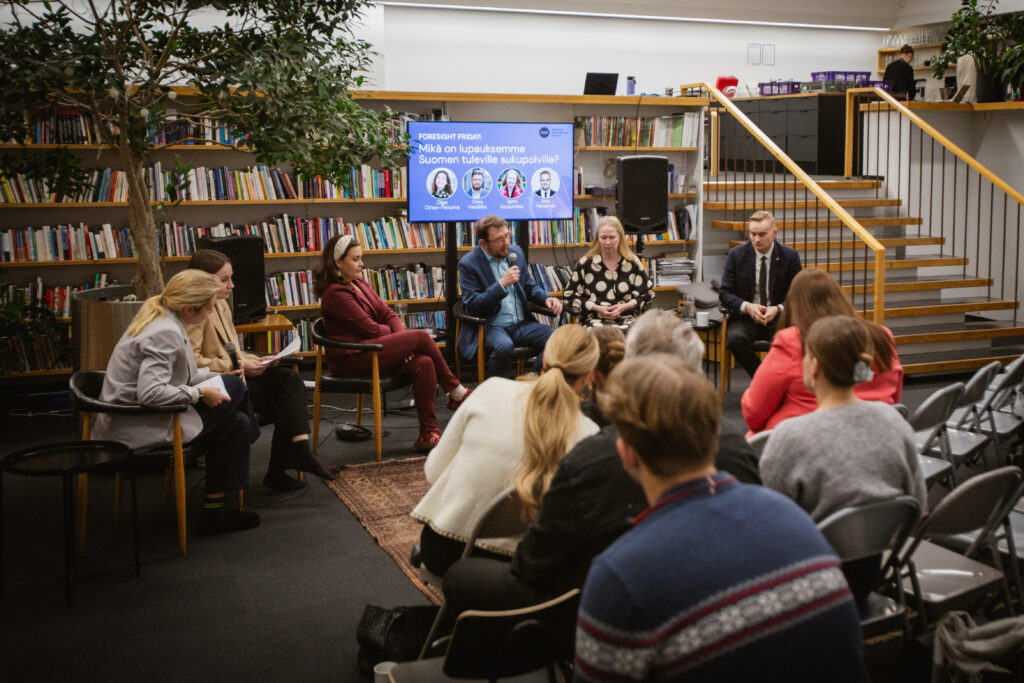
Foresight Friday 2025 brought together policymakers and global experts to discuss Finland’s long-term responsibilities to future generations and intergenerational fairness. The question remains open, and it belongs to all of us: what is our promise for future generations?
Read MoreInitial comments on the European Commission’s Affordable Housing Plan

Housing must be made affordable while protecting the ecological systems on which we all depend. The EU could lead this transformation but it requires new ways of thinking about policy, governance, and action.
Read MoreDoomed to grow or ready to transform?

Economic growth used to be a cause that had effects, and the desired and expected effects were a matter of political and public debate until the 1990s recession. The meanings and expectations towards growth changed over time, and the idea of economic growth evolved within the debates and the very varied perspectives to growth. Our report “Doomed to Grow” calls for acknowledging growth’s historical recent origins and past pluralism in how economic growth has been discussed.
Read More20 years of trying

For 20 years, we have been fighting for a fair, sustainable, and joyful next era. These are the beginnings of our journey.
Read MoreEurope’s democratic resilience requires introspection, clear-sightedness and reimagination
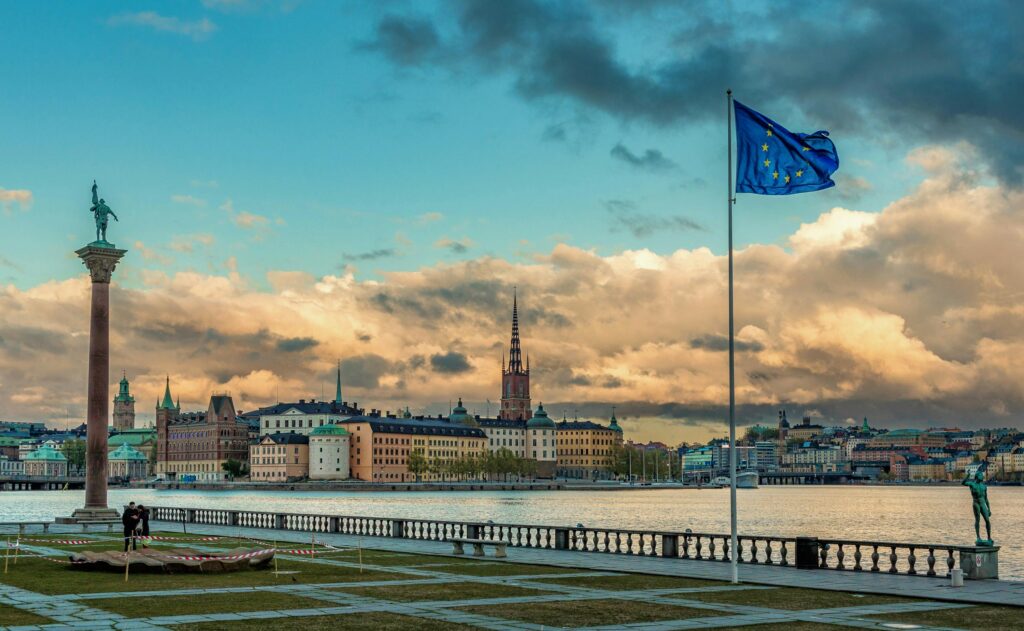
The European Democracy Shield (EUDS) is being prepared to bolster the continent’s democratic resilience. If it isn’t to become one of innumerable democracy initiatives, EU institutions need to be clear-sighted about the causes and stakes of our present moment.
Read MoreImaginaries on Sustainability Transformation – Report outlines three positive futures

Imagining futures where society has successfully undergone a sustainability transformation helps us envision a world in which today’s major negative trends have been brought under control. But what kind of positive futures have been proposed in recent years? At the request of the Finnish Expert Panel for Sustainable Development, Demos Helsinki conducted a literature review and drafted three preliminary visions of such futures.
Read More