
Commentary
The Tragedy of the Form

The “tragedy of the form” refers to society’s reliance on outdated structures designed for the industrial era, limiting our ability to address systemic challenges like the climate crisis. Despite a recognised need for collective action, existing forms are increasingly not fit-for-purpose, hindering real transformation and requiring new, more adaptive models.
Read MoreForms Matter – Foreword
Foreword by Juha Leppänen The Tragedy of the Form Here is something we rarely talk about: the “form” in “transformation”. We pursue systemic change from forms designed for the industrial era. How can we transform societies if we don’t challenge our forms first? Demos Helsinki community, though with some notable…
Read MoreInfrastructure: The overlooked tool for societal transformation

Infrastructure shapes human activity and influences both societal and economic outcomes, but it’s often overlooked in discussions about systemic change. Our past investments can lock us into outdated systems, yet future decisions must prioritize infrastructure that supports environmental and human wellbeing, enabling a transformative path towards a more sustainable future.
Read More21st-century infrastructure must be regenerative
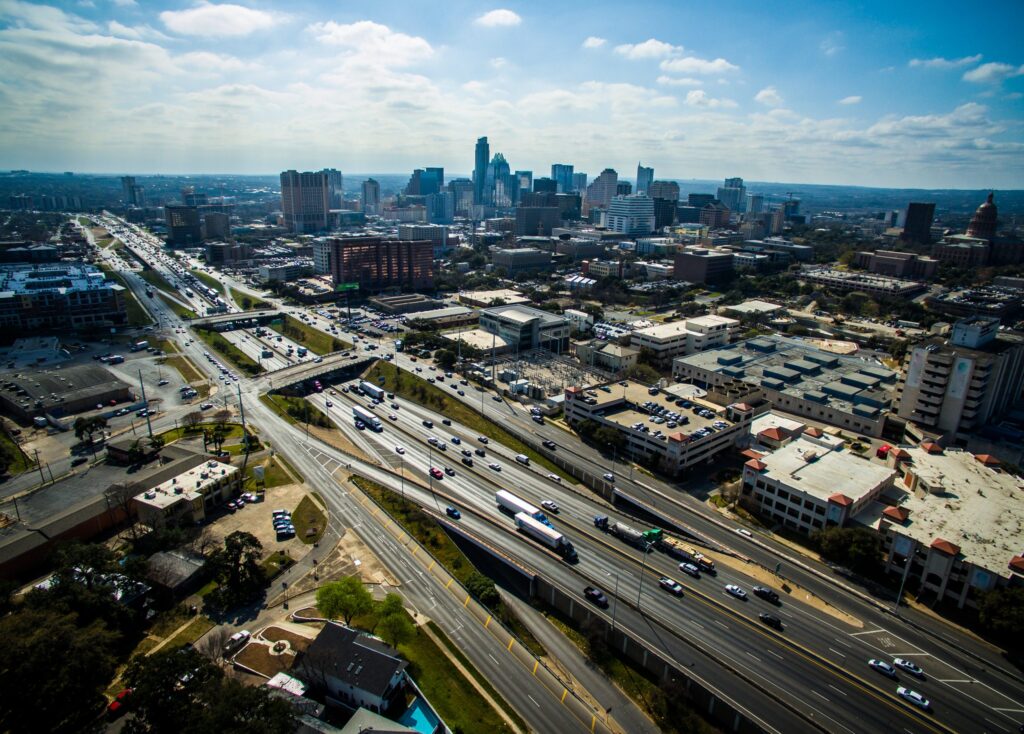
Traditional infrastructure, like Austin’s I-35, often benefits some while harming others, especially marginalised communities. Expanding from six to twenty lanes, as proposed, could exacerbate this. Instead, regenerative infrastructure—rebuilding communities and ecosystems—offers a vision for 21st-century development, promoting social equity and environmental health, crucial for a sustainable future.
Read MoreWhat is regenerative infrastructure?

Sustainability is no longer enough to address today’s environmental challenges. Regeneration, which emphasises renewal, restoration, and resilience, is emerging as a more effective framework. By shifting from an anthropocentric to an ecocentric approach, regenerative infrastructure can positively impact both communities and ecosystems, fostering long-term, net-positive environmental and societal change.
Read MoreRe-focusing on the future: Backcasting carbon neutral cities
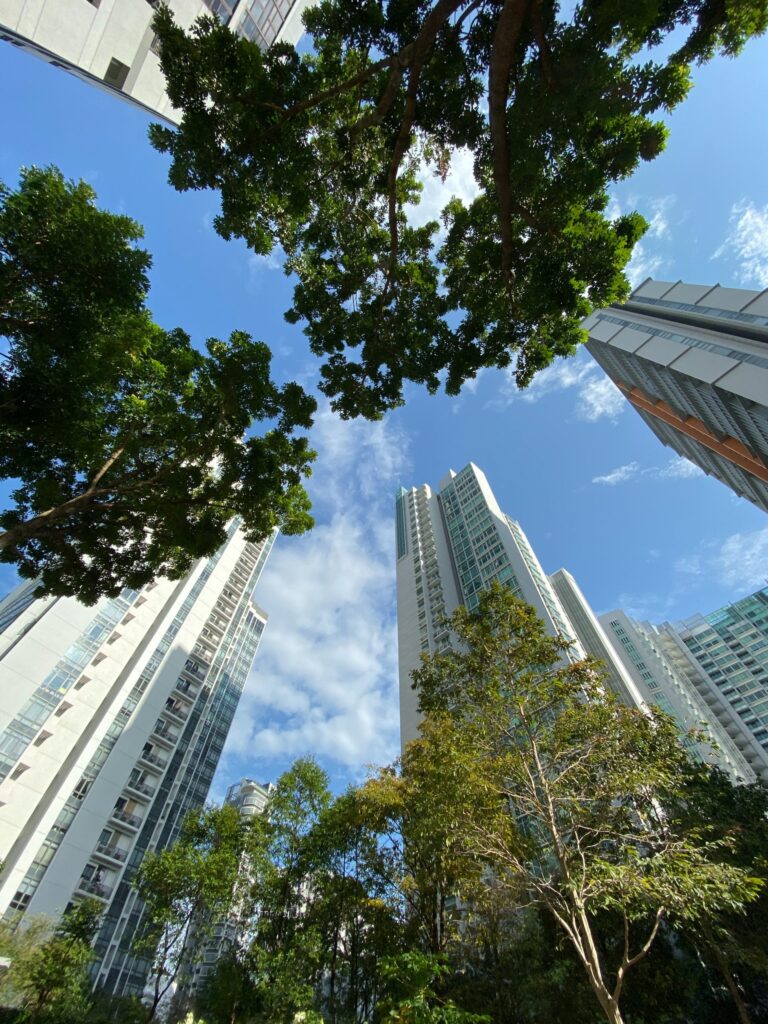
Demos Helsinki cofounder Aleksi Neuvonen presents research on how backcasting scenarios can help cities achieve carbon neutrality. By working backwards from a desired carbon-neutral future, backcasting enables collective learning, redefines urban planning, and fosters cross-sector collaboration, crucial for the societal transition towards sustainable, carbon-neutral cities.
Read MoreHow to introduce a wellbeing economy model

Finland pioneered a governance model for the wellbeing economy, integrating social and planetary wellbeing. Its approach involves broad stakeholder involvement and political prioritization. To implement it elsewhere, countries must tailor localized governance models. Finland’s experience highlights the importance of holistic, multi-stakeholder approaches and integrating ecological goals into policy frameworks.
Read MoreHumble Timber: The results

The Humble Timber alliance, a 9-actor collaboration in Finland, identified key barriers to timber construction, proposed solutions, and delegated responsibilities to accelerate carbon-neutral building. By fostering cross-sector cooperation, they addressed demand, supply, governance, and skills challenges, aiming to scale timber use in construction and promote sustainable urban development.
Read MoreDiscussing the future of timber construction in Finland

The event on May 18, 2022, gathered Finnish policymakers, city planners, and industry leaders to discuss the transition to timber construction. The Humble Governance model facilitated collaboration, addressing bottlenecks in emissions reduction, planning, and policy updates. Timber construction offers significant potential to lower emissions, but it requires proactive, collaborative efforts.
Read MoreWhat are syndemics, and why do they matter in health governance?

The COVID-19 pandemic highlighted how health crises are interconnected with political, social, and economic factors. Syndemic theory explains how overlapping health and social issues, like poverty and violence, worsen each other. Applying this concept to future health governance could improve decision-making by considering broader societal impacts and fostering resilience.
Read MoreEarth Day 2022: The shifts we need to mobilize

The latest IPCC report highlights that while the window to prevent the worst impacts of climate change is closing, we still have the opportunity to act. However, urgent, collective, and transformative action is required. Demos Helsinki calls for several key shifts: taking accountability at all levels of governance, embedding equity in the climate response, and understanding that the climate crisis is a systemic issue that should inform all decision-making. Humility and learning from diverse voices, including indigenous wisdom, are also essential as we move beyond net-zero and towards sustainable livability.
Read MoreHumble Timber: Building towards a carbon-neutral future

Timber buildings offer a sustainable solution to decarbonizing construction. The Humble Timber alliance, led by Demos Helsinki, brings together key stakeholders in Finland’s building industry to address challenges in transitioning to carbon-neutral construction. By fostering collaboration and identifying shared goals, the alliance aims to overcome barriers like the supply-demand dilemma and promote timber as a competitive and sustainable building material for the future.
Read More